

Dr. Nikhil Raj
(Master of Pulmonary Diseases)
- A sleep study (polysomnography) is a non-invasive overnight test that evaluates breathing, oxygen levels, heart rate, brain waves, and sleep stages. It is the gold standard for diagnosing sleep apnea and other sleep disorders, helping guide effective treatment and improve long-term health.
-
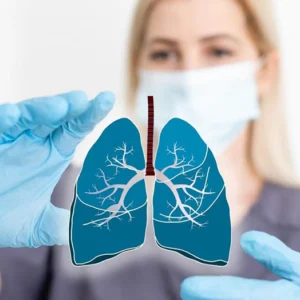
- A Pulmonary Function Test (PFT) is a quick, non-invasive breathing test that measures lung capacity and airflow. It is essential for diagnosing and monitoring asthma, COPD, and other lung diseases, and helps guide accurate treatment decisions.
-
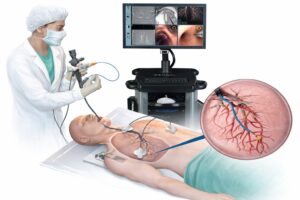
- Bronchoscopy is a minimally invasive procedure that allows direct examination of the airways (trachea and bronchi) using a thin, flexible instrument called a bronchoscope, equipped with a camera and light source.
-
- It is commonly used to evaluate chronic cough, hemoptysis (blood in sputum), unexplained lung opacities, recurrent chest infections, airway obstruction, and suspected lung cancer. During the procedure, doctors can collect samples such as bronchial wash, bronchoalveolar lavage (BAL), brushings, and biopsies to establish an accurate diagnosis.
-
- Bronchoscopy is usually performed under local anesthesia with mild sedation, is safe and well tolerated, and typically takes 20–30 minutes. Most patients can return home the same day.
-
- This procedure plays a vital role in diagnosing infections, tuberculosis, inflammatory lung diseases, and malignancies, enabling timely and targeted treatment.
-
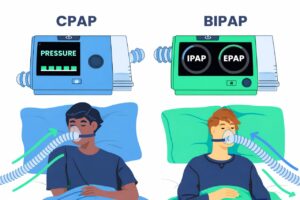
- CPAP and BiPAP are non-invasive ventilation therapies used to treat sleep apnea and breathing disorders.
-
- CPAP delivers a constant air pressure to keep the airway open during sleep, while BiPAP provides two pressure levels—higher during inhalation and lower during exhalation—for improved comfort in selected patients.
-
- These therapies improve sleep quality, reduce snoring, and prevent complications related to untreated sleep apnea.

Dr. Abhilasha Kumari
Obstetrics and Gynaecology Specialist
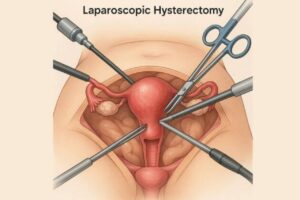
- Laparoscopic Hysterectomy is a modern, minimally invasive surgical procedure to remove the uterus using small keyhole incisions and a laparoscope (camera). It offers less pain, minimal blood loss, smaller scars, and faster recovery compared to open surgery. Patients usually experience shorter hospital stays and quicker return to daily activities, making it a safe and effective option for conditions like fibroids, abnormal bleeding, and uterine disorders.
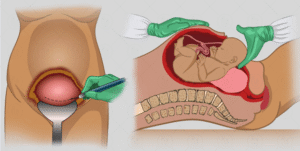
- LSCS (Lower Segment Cesarean Section) is a safe surgical method to deliver a baby through an incision in the lower abdomen and uterus when normal delivery is not advisable. It helps ensure the safety of both mother and baby, especially in conditions like fetal distress, previous cesarean, or pregnancy complications. The procedure is performed under anesthesia with controlled, timely delivery and good recovery outcomes.
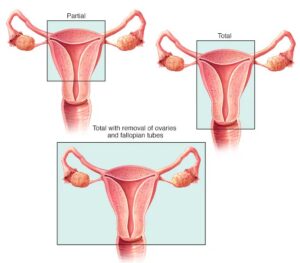
- Abdominal Hysterectomy is a surgical procedure to remove the uterus through an incision in the lower abdomen. It is commonly advised for large fibroids, severe bleeding, or complex uterine conditions. This approach allows direct access and safe removal when minimally invasive surgery is not suitable, ensuring effective treatment and reliable outcomes.
- Hysteroscopy is a minimally invasive procedure used to examine the inside of the uterus with a thin camera (hysteroscope) passed through the vagina and cervix. It helps diagnose and treat conditions like abnormal uterine bleeding, polyps, fibroids, and infertility. The procedure is usually safe, quick, and requires no cuts, allowing faster recovery and accurate treatment.
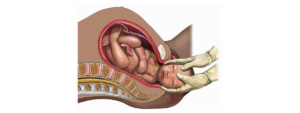
- Normal Delivery is the natural process of childbirth where the baby is born through the vaginal route without surgical intervention. It is the safest and most preferred method when pregnancy is uncomplicated, allowing faster recovery, minimal pain after delivery, and early bonding between mother and baby. Normal delivery also supports better maternal health and quicker return to daily activities.